
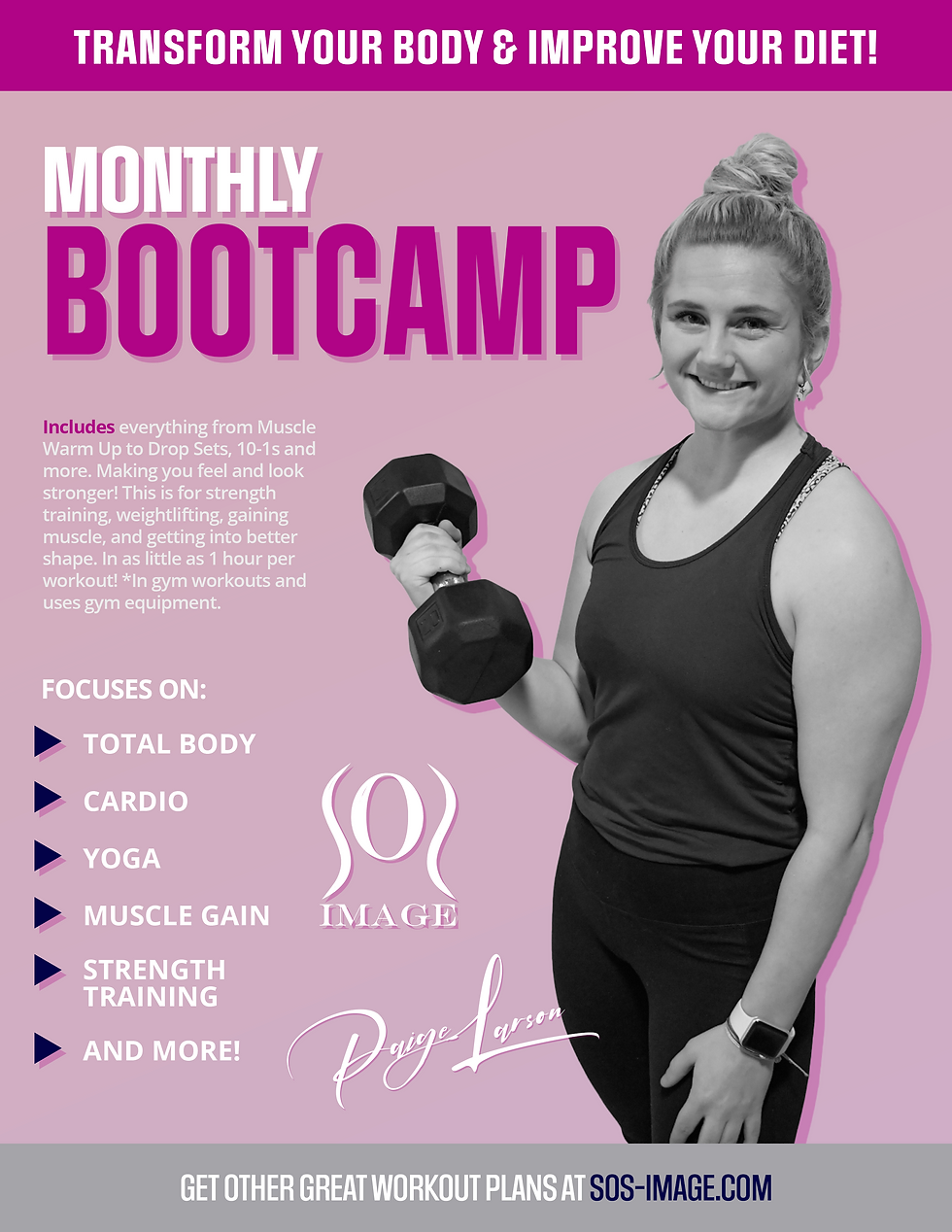
This encompasses everything from Muscle Warm Up to Drop Sets, 10-1s and more. Each workout has around a 5–10- minute warm up. On Page 4 has the warmup that you should be doing prior to getting
into the workout. This is a set of 3 workouts a week f or one month that will make you feel and look stronger. You can ass in one day for cardio, yoga, and active recovery. This is for strength training, weightlifting, gaining muscle, and getting into better shape.
Monthly Bootcamp Plan
A structured monthly plan can turn scattered effort into measurable progress by giving every session a clear purpose within a weekly rhythm. When strength work, recovery, and conditioning are arranged around a repeating schedule, it becomes easier to stay consistent and to notice how the body responds over time. A month is long enough to build early habits yet short enough to revisit and adjust, which keeps training feeling fresh instead of repetitive. Pairing the plan with a simple warm up before each workout helps prepare muscles and joints for the work ahead, supporting better form and reduced fatigue. The aim is steady gains, not shortcuts.
Strength-focused programming tends to blend compound lifts with accessory movements so that multiple muscle groups share the load while smaller stabilizers still get direct attention. Including techniques such as drop sets or descending ladders can extend time under tension and challenge muscles in new ways, encouraging adaptation beyond standard rep schemes. Because volume, intensity, and recovery are balanced across the week, the plan supports both newcomers who are learning foundational patterns and experienced lifters refining their execution. Rest days are treated as part of the training, not as absence from it, allowing the nervous system and connective tissue to rebuild. The result is a more resilient approach to getting stronger.
Active recovery plays an important supporting role in a balanced program, giving the body lighter movement that promotes circulation without adding fatigue. Short walks, gentle mobility flows, or low-intensity cardio sessions can ease soreness, improve sleep quality, and help maintain energy levels between harder training days. Yoga and similar practices offer added benefits for posture, breathing awareness, and overall calm, which often translate into steadier focus during demanding workouts. Treating recovery as an intentional choice rather than an afterthought makes the entire month feel more sustainable, especially for people balancing training with work, family, or other responsibilities. Small consistent actions add up.
Working with knowledgeable trainers can shorten the learning curve by providing cues, corrections, and programming choices tailored to individual strengths and limitations. Even a short check in often uncovers habits that limit progress, such as rushed warm ups, uneven pacing, or neglected muscle groups. Trainers can also help set realistic goals and adjust the plan when life gets busy, keeping momentum alive during busy weeks. Their guidance extends beyond exercise selection into areas like mindful decisions around sleep, nutrition timing, and daily movement. Over time, this kind of partnership tends to build confidence and a healthier relationship with training.
An encouraging atmosphere makes it easier to stay accountable, particularly when motivation dips or schedules get crowded. Group settings and shared check ins remind participants that others are working toward similar aims, creating a quiet sense of camaraderie that carries through independent sessions at home. Celebrating small wins, like completing every prescribed warm up or showing up on a tough day, reinforces the identity of someone who trains consistently. Over a full month those choices begin to stack, producing noticeable changes in how the body looks, feels, and performs. The process becomes as rewarding as the result.